Scots pine
Pinus sylvestris
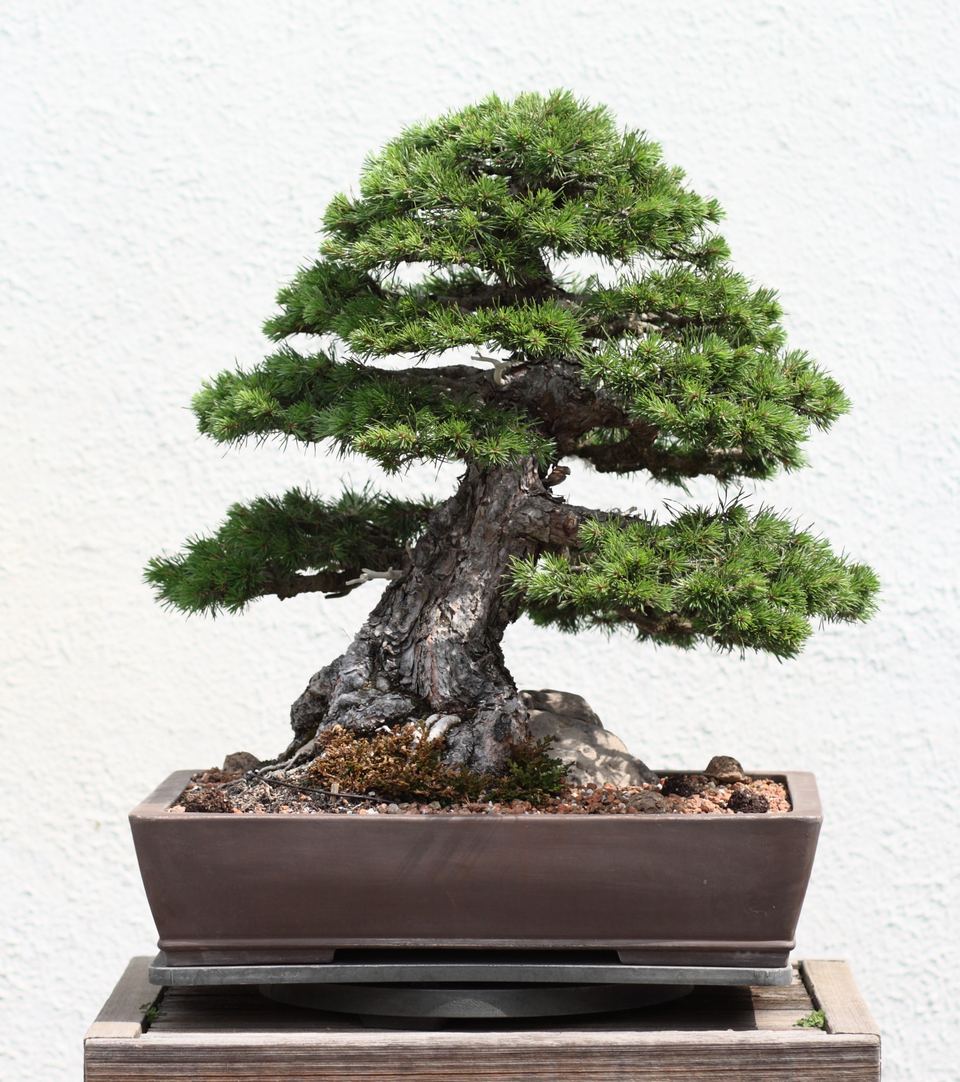

A year of care. RHS H7: hardy in severe winters. In a shallow pot the roots are less hardy than the tree, so the risk is a root ball that freezes and thaws daily rather than cold itself. USDA 6a-1, the RHS's own equivalent.
Timings for a temperate northern climate.
- Repot
- Wire
- Prune
- Pinch
- Protect
- Feed
- Water
- Watch for pests
- J
- F
- M
- A
- M
- J
- J
- A
- S
- O
- N
- D
Download as PDF Add to your calendar (.ics)
To print, use your browser's print command; the page is laid out for A4. Neither file carries product links.
- JanuaryFully dormant. Keep the pot out of standing water and move it into a cold frame or against a wall when a hard freeze is forecast for several nights, returning it to the open when the freeze lifts. Water only when the soil is dry below the surface, perhaps once in the month. Shelter it from drying wind.protect, water
- FebruaryStill dormant. Check wire from the autumn and remove any that is close to cutting in before the sap rises. Old needles that were not pulled in autumn can be removed now. Prepare soil for repotting next month.wire, protect
- MarchRepot in the second half of the month as the buds begin to swell, every three to five years for an established tree, taking no more than a quarter to a third of the roots and keeping some of the old soil with its mycorrhiza. Set it into a coarse, open mix and keep it out of wind and frost for a month afterwards. Do not repot and candle-cut in the same year.repot, protect
- AprilThe candles extend. Begin feeding with a balanced feed as they move, weekly at low strength. Water as the surface dries. If the tree is strong, shorten the strongest candles by up to half and leave the weak ones whole, to balance vigour across the tree.feed, water, pinch
- MayFinish any candle work early in the month before the needles open. Water daily in dry spells and keep feeding. Watch for adelgid fluff at the base of the new needles and deal with it early. Keep the tree in full sun.pinch, water, feed, pests
- JuneNeedles harden. Water daily and feed every week or two. Do nothing structural; this is the month the tree builds the year's strength. Check spring wire, as the branches thicken fastest now.water, feed, wire
- JulyWater daily, more in heat; a pine in a gritty mix can dry out in a day. Feed at half strength. Keep it in the brightest spot available. Light scissor removal of any shoots growing straight down or up on a branch can be done now.water, feed, prune
- AugustContinue watering and feeding. From the end of the month, needle-pull the strongest areas (leaving perhaps eight to twelve pairs per shoot) so light reaches the interior and the weak areas catch up. The main pruning window opens: remove unwanted branches and shorten shoots back to a bud or side shoot where one exists.prune, water, feed
- SeptemberThe best month to wire: the branches have hardened and will set over winter. Change to a low-nitrogen feed. Water as needed. Pull old needles if not already done.wire, feed, water, prune
- OctoberFinish wiring early in the month. Stop feeding by mid-month. Remove yellowing old needles the tree is shedding. Raise the pot on feet and begin to reduce watering as the days shorten.wire, feed, water, protect
- NovemberDormant. Water sparingly and only when dry. Move an exposed tree to a sheltered spot before the first hard frost. Protect from wind more than from cold.water, protect
- DecemberLeave it be. Keep the root ball from freezing solid for days at a time with a cold frame or a wall; do not water a frozen pot. Snow on the branches can stay; wind should be kept off.protect, water
What you'll need
Repot
- Akadama (hard, medium grade) Check price on Amazon Search eBay
- Pumice (3 to 6 mm) Check price on Amazon Search eBay
- Lava rock (kiryu or black lava, 3 to 6 mm) Check price on Amazon Search eBay
- Drainage mesh and tie-in wire Check price on Amazon Search eBay
- Root hook and rake Check price on Amazon Search eBay
- Bamboo chopsticks (plain) Check price on Amazon Search eBay
Wire
- Anodised aluminium wire, 1 to 4 mm Check price on Amazon Search eBay
- Bonsai wire cutter Check price on Amazon Search eBay
- Copper wire (for conifers, once you're comfortable wiring) Check price on Amazon Search eBay
Prune
- Bonsai shears (long-handled, stainless) Check price on Amazon Search eBay
- Concave branch cutter Check price on Amazon Search eBay
Feed
Protect
Basis of each row
Rules of thumb from the sources named here; your garden, windowsill and weather will differ. These are the rows as sourced, for a temperate climate.
| Month | What to do | Basis |
|---|---|---|
| January | Fully dormant. Keep the pot out of standing water and move it into a cold frame or against a wall when a hard freeze is forecast for several nights, returning it to the open when the freeze lifts. Water only when the soil is dry below the surface, perhaps once in the month. Shelter it from drying wind. | rhs RHS: Pinus sylvestris plant page (H7, native); RHS advice: overwintering plants in containers |
| February | Still dormant. Check wire from the autumn and remove any that is close to cutting in before the sap rises. Old needles that were not pulled in autumn can be removed now. Prepare soil for repotting next month. | practice general bonsai practice: late-winter wire checks and needle cleaning before spring thickening |
| March | Repot in the second half of the month as the buds begin to swell, every three to five years for an established tree, taking no more than a quarter to a third of the roots and keeping some of the old soil with its mycorrhiza. Set it into a coarse, open mix and keep it out of wind and frost for a month afterwards. Do not repot and candle-cut in the same year. | reference Harry Harrington, bonsai4me.com: Pinus sylvestris species guide (repotting in early spring, keep mycorrhiza); Peter Chan, Bonsai Masterclass |
| April | The candles extend. Begin feeding with a balanced feed as they move, weekly at low strength. Water as the surface dries. If the tree is strong, shorten the strongest candles by up to half and leave the weak ones whole, to balance vigour across the tree. | reference Harry Harrington, bonsai4me.com: Pinus sylvestris (single-flush pine; candle shortening to balance vigour) |
| May | Finish any candle work early in the month before the needles open. Water daily in dry spells and keep feeding. Watch for adelgid fluff at the base of the new needles and deal with it early. Keep the tree in full sun. | practice general bonsai practice for single-flush pines; RHS advice: adelgids |
| June | Needles harden. Water daily and feed every week or two. Do nothing structural; this is the month the tree builds the year's strength. Check spring wire, as the branches thicken fastest now. | practice general bonsai practice: summer growth, wire checks |
| July | Water daily, more in heat; a pine in a gritty mix can dry out in a day. Feed at half strength. Keep it in the brightest spot available. Light scissor removal of any shoots growing straight down or up on a branch can be done now. | practice general bonsai practice; RHS advice: watering container plants in summer |
| August | Continue watering and feeding. From the end of the month, needle-pull the strongest areas (leaving perhaps eight to twelve pairs per shoot) so light reaches the interior and the weak areas catch up. The main pruning window opens: remove unwanted branches and shorten shoots back to a bud or side shoot where one exists. | reference Bonsai Empire: Pine bonsai care guide (late-summer needle pulling and branch pruning); Peter Warren, Bonsai (DK) |
| September | The best month to wire: the branches have hardened and will set over winter. Change to a low-nitrogen feed. Water as needed. Pull old needles if not already done. | reference Harry Harrington, bonsai4me.com: Pinus sylvestris (autumn wiring and needle plucking) |
| October | Finish wiring early in the month. Stop feeding by mid-month. Remove yellowing old needles the tree is shedding. Raise the pot on feet and begin to reduce watering as the days shorten. | practice general bonsai practice: autumn needle shedding is normal; reduce water as growth stops |
| November | Dormant. Water sparingly and only when dry. Move an exposed tree to a sheltered spot before the first hard frost. Protect from wind more than from cold. | rhs RHS advice: overwintering plants in containers (wind desiccation of conifers) |
| December | Leave it be. Keep the root ball from freezing solid for days at a time with a cold frame or a wall; do not water a frozen pot. Snow on the branches can stay; wind should be kept off. | rhs RHS advice: protecting plants from frost |
Soil for this species: 2 parts pumice, 1 part akadama, 1 part lava rock (by volume), 3 to 6 mm; a coarser mix than for deciduous trees. Tools and materials: starter kits.