Juniper
Juniperus chinensis 'Itoigawa' and J. procumbens 'Nana'
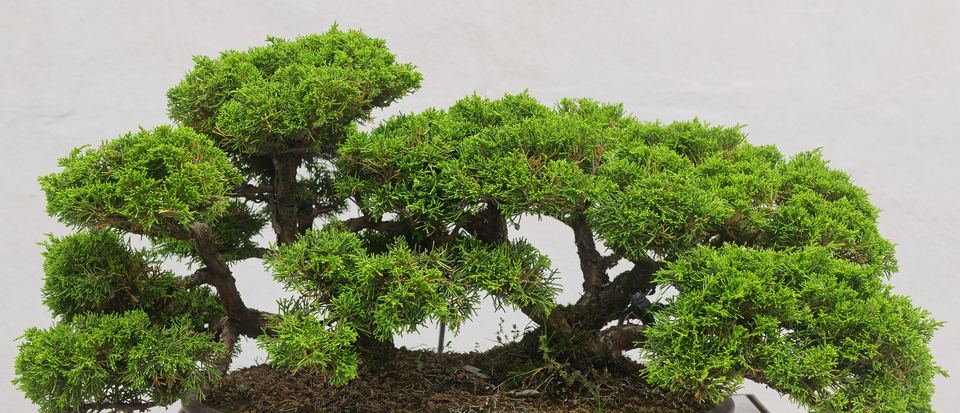

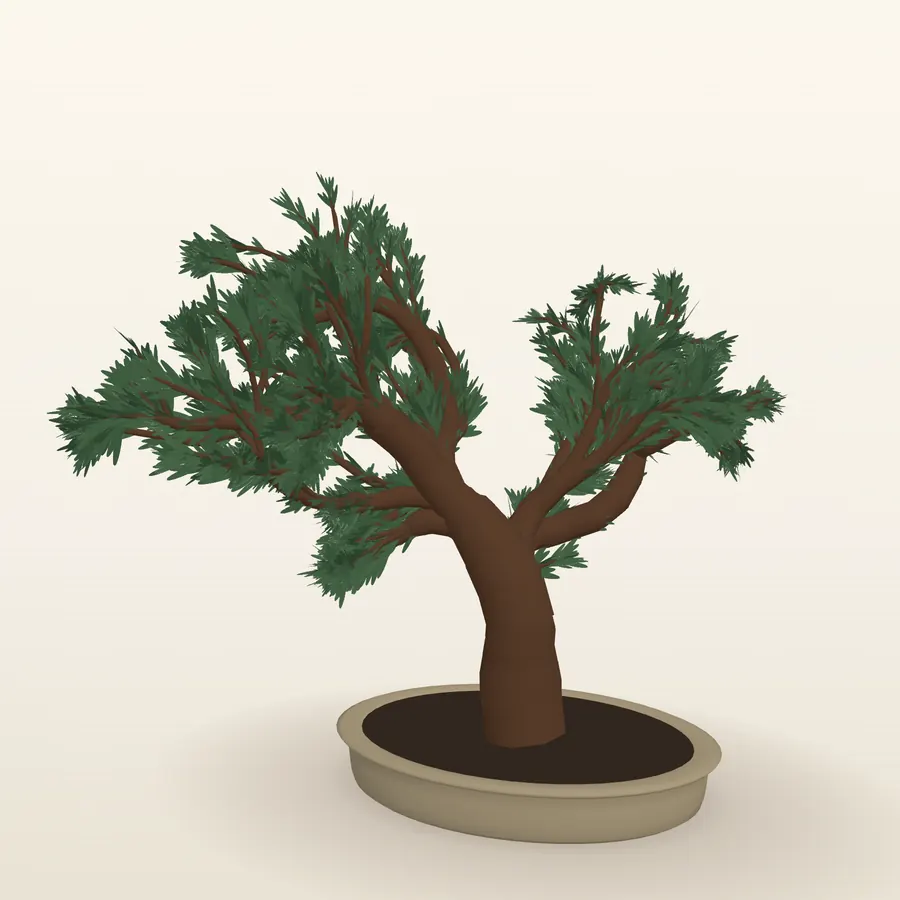
A year of care. RHS H7 for Juniperus procumbens 'Nana'; Chinese juniper cultivars are rated H6 to H7. Fully hardy in the ground; the roots in a shallow pot are less hardy than the tree, so freeze-thaw is the risk, not cold alone. USDA 6a-1, the RHS's own equivalent.
Timings for a temperate northern climate.
- Repot
- Wire
- Prune
- Pinch
- Protect
- Feed
- Water
- Watch for pests
- J
- F
- M
- A
- M
- J
- J
- A
- S
- O
- N
- D
Download as PDF Add to your calendar (.ics)
To print, use your browser's print command; the page is laid out for A4. Neither file carries product links.
- JanuaryLeave the tree alone and outside. Keep the pot out of standing water and off bare ground; when a hard frost is forecast for several nights, move it against a wall or into a cold frame, and bring it back out as soon as the freeze lifts. Water only when the surface is dry, which in a cool January may be once a fortnight.protect, water
- FebruaryStill dormant. This is the month to clean the tree for the year ahead: remove dead interior foliage with tweezers, check old wire and cut off anything biting in. Order soil components so they are to hand for repotting. Keep frost protection as in January.protect, wire
- MarchRepot in the second half of the month as the buds swell, every two years for a young tree and three to five for an established one, removing no more than a third of the roots and never bare-rooting a juniper. Put it into an open mix and keep it sheltered from wind and frost for three weeks afterwards. Structural wiring can be done now while the branches are bare of new growth.repot, wire
- AprilGrowth begins. Start feeding once the new tips are moving: a balanced slow-release pellet on the soil plus a weak liquid feed every fortnight. Water as the surface dries, which will move from weekly to every few days as the month warms. Watch for late frosts on a tree just repotted.feed, water, protect
- MayFull growth. Water daily in dry weather and feed every fortnight. Do not pinch the tips; let the shoots extend and build strength. Treat any deadwood with diluted lime sulphur on a dry day. Check for spider mite as the weather warms.water, feed, pests
- JuneKeep watering daily and feeding fortnightly. Thin crowded pads lightly with scissors so light reaches the interior, cutting back to a side shoot rather than pinching the tips. Wire young shoots that have hardened enough to hold a bend. Spray the foliage in the evening on hot days.water, feed, prune, wire
- JulyWater daily, twice on very hot days, and watch the pot does not dry through. Keep feeding at half strength. Avoid heavy pruning in the heat; it is a month for maintenance and for watching. Keep the tree in full sun unless it is a freshly repotted or weak tree.water, feed
- AugustTowards the end of the month, when growth slows, do the main scissor work: shorten extended shoots back to side shoots, open the pads, and remove any juvenile foliage on 'Itoigawa' that is not wanted. This is also the best time to wire, as the tree has time to set the bend before winter. Continue watering daily and feeding.prune, wire, water, feed
- SeptemberChange to a low-nitrogen feed to harden the growth for winter. Water as needed; the pot dries more slowly now. Finish any wiring early in the month and check wire applied in spring for cutting in.feed, water, wire
- OctoberStop feeding by the middle of the month. Clean out dead interior foliage that the tree has shed. Move the tree where it will get winter light but not sit in rain for days on end, and raise the pot on feet. Reduce watering as the days shorten.feed, water, protect
- NovemberDormancy. Water only when the soil is dry a finger's depth down. Expect the foliage to bronze. If the tree is in a very exposed spot, move it to shelter before the first hard frosts; otherwise leave it in the open.water, protect
- DecemberNothing but watching. Keep the root ball from freezing solid for days at a time by moving the pot under cover when a hard freeze is forecast. Do not water a frozen pot; wait for a thaw. Keep the tree out of the wind, which dries conifers faster than cold does.protect, water
What you'll need
Repot
- Akadama (hard, medium grade) Check price on Amazon Search eBay
- Pumice (3 to 6 mm) Check price on Amazon Search eBay
- Lava rock (kiryu or black lava, 3 to 6 mm) Check price on Amazon Search eBay
- Drainage mesh and tie-in wire Check price on Amazon Search eBay
- Root hook and rake Check price on Amazon Search eBay
- Bamboo chopsticks (plain) Check price on Amazon Search eBay
Wire
- Anodised aluminium wire, 1 to 4 mm Check price on Amazon Search eBay
- Bonsai wire cutter Check price on Amazon Search eBay
- Copper wire (for conifers, once you're comfortable wiring) Check price on Amazon Search eBay
Prune
- Bonsai shears (long-handled, stainless) Check price on Amazon Search eBay
- Concave branch cutter Check price on Amazon Search eBay
Feed
Protect
Basis of each row
Rules of thumb from the sources named here; your garden, windowsill and weather will differ. These are the rows as sourced, for a temperate climate.
| Month | What to do | Basis |
|---|---|---|
| January | Leave the tree alone and outside. Keep the pot out of standing water and off bare ground; when a hard frost is forecast for several nights, move it against a wall or into a cold frame, and bring it back out as soon as the freeze lifts. Water only when the surface is dry, which in a cool January may be once a fortnight. | rhs RHS: Juniperus procumbens 'Nana' plant page (H7, full sun, well drained); RHS advice: overwintering plants in containers |
| February | Still dormant. This is the month to clean the tree for the year ahead: remove dead interior foliage with tweezers, check old wire and cut off anything biting in. Order soil components so they are to hand for repotting. Keep frost protection as in January. | practice general bonsai practice: winter cleaning and wire checks before growth starts |
| March | Repot in the second half of the month as the buds swell, every two years for a young tree and three to five for an established one, removing no more than a third of the roots and never bare-rooting a juniper. Put it into an open mix and keep it sheltered from wind and frost for three weeks afterwards. Structural wiring can be done now while the branches are bare of new growth. | reference Harry Harrington, bonsai4me.com: Juniperus species guide (repotting in early spring, never bare-root); Peter Chan, Bonsai Masterclass |
| April | Growth begins. Start feeding once the new tips are moving: a balanced slow-release pellet on the soil plus a weak liquid feed every fortnight. Water as the surface dries, which will move from weekly to every few days as the month warms. Watch for late frosts on a tree just repotted. | practice general bonsai practice: feeding starts with visible growth; RHS advice: feeding container plants |
| May | Full growth. Water daily in dry weather and feed every fortnight. Do not pinch the tips; let the shoots extend and build strength. Treat any deadwood with diluted lime sulphur on a dry day. Check for spider mite as the weather warms. | reference Bonsai Empire: Juniper bonsai care guide (let shoots run rather than pinch); general practice on lime sulphur |
| June | Keep watering daily and feeding fortnightly. Thin crowded pads lightly with scissors so light reaches the interior, cutting back to a side shoot rather than pinching the tips. Wire young shoots that have hardened enough to hold a bend. Spray the foliage in the evening on hot days. | reference Harry Harrington, bonsai4me.com: Juniper pruning and pinching (scissor pruning to side shoots) |
| July | Water daily, twice on very hot days, and watch the pot does not dry through. Keep feeding at half strength. Avoid heavy pruning in the heat; it is a month for maintenance and for watching. Keep the tree in full sun unless it is a freshly repotted or weak tree. | practice general bonsai practice: summer watering; RHS advice: watering container plants |
| August | Towards the end of the month, when growth slows, do the main scissor work: shorten extended shoots back to side shoots, open the pads, and remove any juvenile foliage on 'Itoigawa' that is not wanted. This is also the best time to wire, as the tree has time to set the bend before winter. Continue watering daily and feeding. | reference Bonsai Empire: Juniper care guide (late-summer pruning and wiring); Peter Warren, Bonsai (DK) |
| September | Change to a low-nitrogen feed to harden the growth for winter. Water as needed; the pot dries more slowly now. Finish any wiring early in the month and check wire applied in spring for cutting in. | practice general bonsai practice: autumn low-nitrogen feeding; wire checks before growth thickens |
| October | Stop feeding by the middle of the month. Clean out dead interior foliage that the tree has shed. Move the tree where it will get winter light but not sit in rain for days on end, and raise the pot on feet. Reduce watering as the days shorten. | practice general bonsai practice: autumn clean-up and reduced watering |
| November | Dormancy. Water only when the soil is dry a finger's depth down. Expect the foliage to bronze. If the tree is in a very exposed spot, move it to shelter before the first hard frosts; otherwise leave it in the open. | rhs RHS advice: overwintering plants in containers; RHS: Juniperus procumbens 'Nana' (winter colour change is normal) |
| December | Nothing but watching. Keep the root ball from freezing solid for days at a time by moving the pot under cover when a hard freeze is forecast. Do not water a frozen pot; wait for a thaw. Keep the tree out of the wind, which dries conifers faster than cold does. | rhs RHS advice: protecting plants from frost; freeze-thaw and wind desiccation of container conifers |
Soil for this species: 1 part akadama, 1 part pumice, 1 part lava rock (by volume), sieved to 2 to 6 mm; a little more pumice for a very wet garden. Tools and materials: starter kits.