Hawthorn
Crataegus monogyna
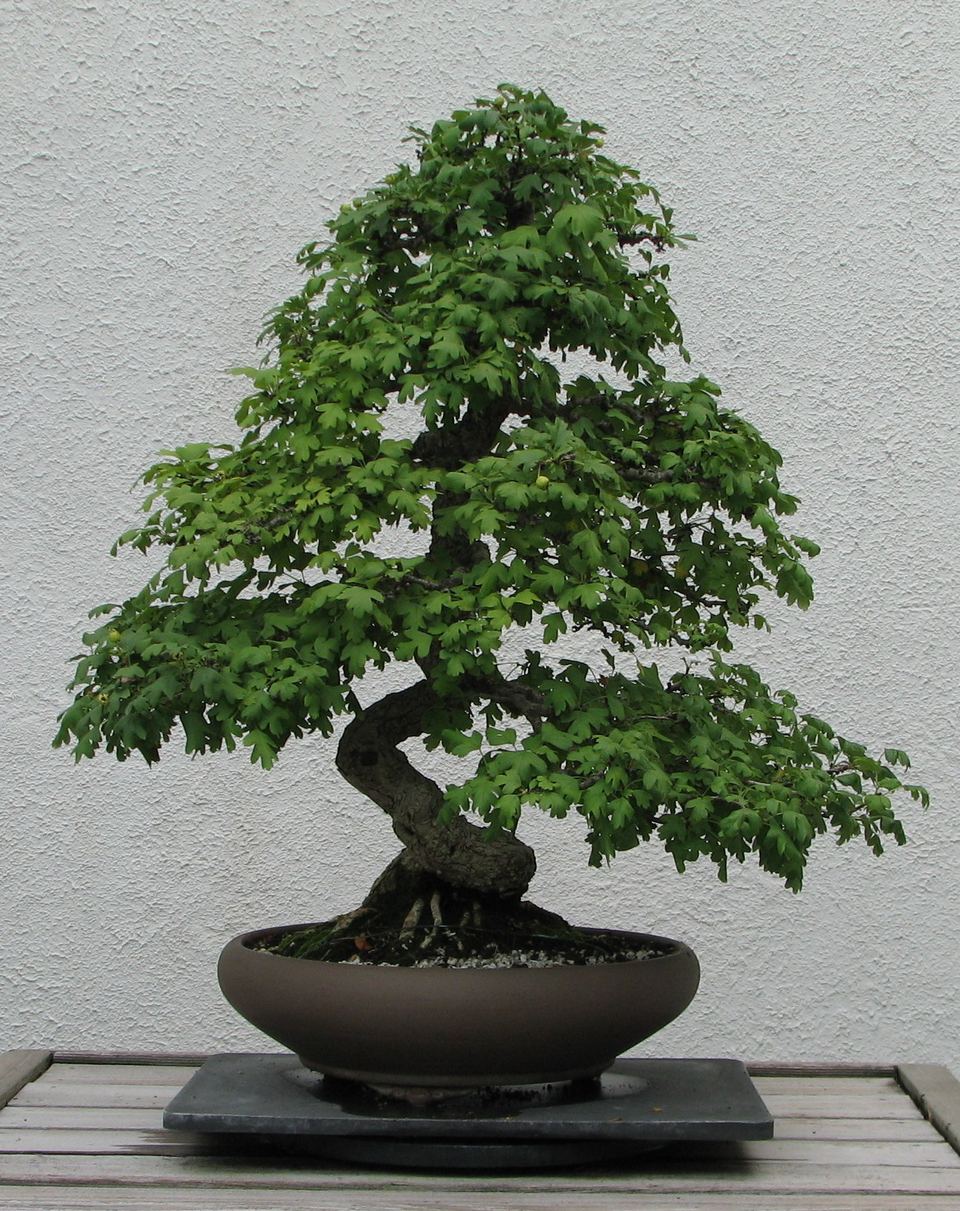

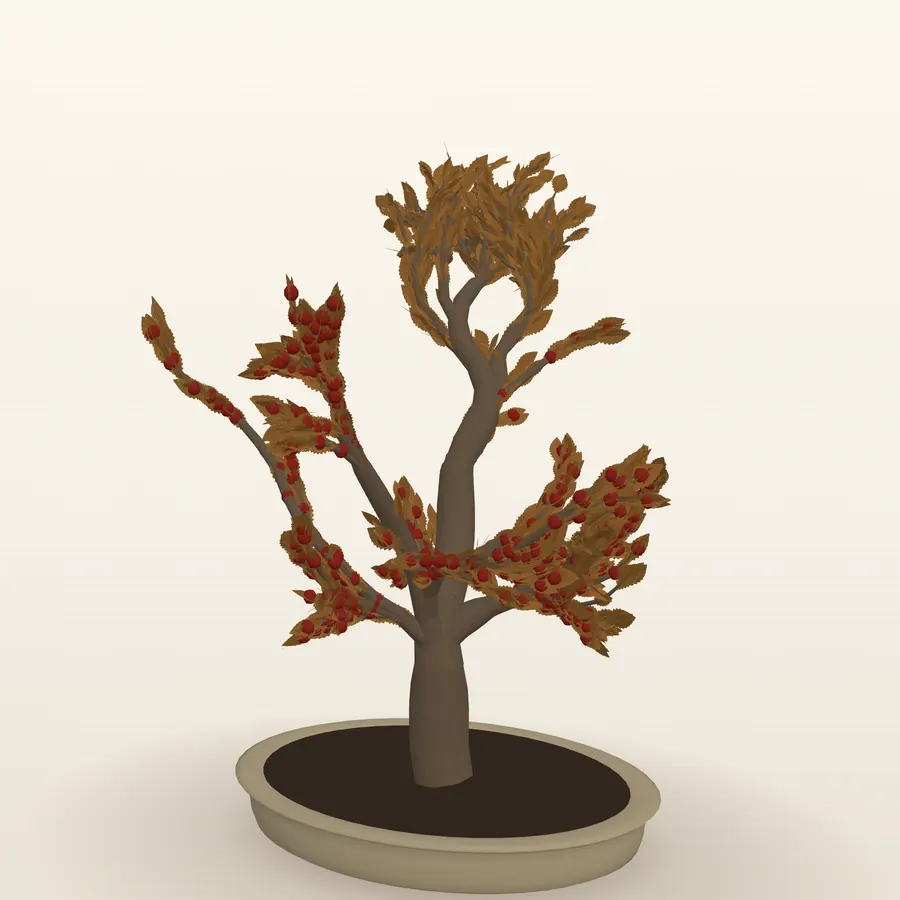
A year of care. RHS H7: a common hedgerow tree of Europe, and very hardy. A pot does not change that much, though the roots in a shallow pot are less hardy than the tree in the ground and should not be left frozen solid for days. USDA 6a-1, the RHS's own equivalent.
Timings for a temperate northern climate.
- Repot
- Wire
- Prune
- Pinch
- Protect
- Feed
- Water
- Watch for pests
- J
- F
- M
- A
- M
- J
- J
- A
- S
- O
- N
- D
Download as PDF Add to your calendar (.ics)
To print, use your browser's print command; the page is laid out for A4. Neither file carries product links.
- JanuaryDormant and bare. Keep the pot out of standing water and, in a prolonged hard freeze, under cover. Water only when the soil is dry below the surface. The bare tree can be studied and lightly pruned for structure while every twig is visible.protect, water, prune
- FebruaryStill dormant. Finish structural pruning of unwanted branches. Check and remove old wire. Have soil ready for repotting next month.prune, wire
- MarchRepot as the buds swell, every two or three years, removing no more than a third of the roots; hawthorn roots are coarse and slow to recover, so be gentle with a collected tree. Set it in an open mix and shelter it from frost and wind for three to four weeks. Do not feed a freshly repotted tree until it is in leaf.repot, protect
- AprilLeaves open, often late in the month. Begin a balanced feed once the tree is in leaf. Water as the surface dries. Watch for aphids on the new growth.feed, water, pests
- MayFlowering, on trees old enough. Let the shoots extend; do not prune during flowering. Water daily in dry weather and feed fortnightly. After the flowers fade, cut extending shoots back to two or three leaves, keeping the short spurs that flowered.water, feed, prune
- JuneContinue cutting back extending shoots to two or three leaves as they reach six to eight. Wire young shoots that have hardened slightly; older wood snaps, so shape by pruning. Water daily and feed fortnightly. Look for caterpillars and leaf spot.prune, wire, water, feed, pests
- JulyWater daily, more in heat; hawthorn in a small pot dries fast and drops leaves when stressed. Feed at half strength. Light pruning of strong shoots only. Keep in full sun for next year's flower buds to form.water, feed, prune
- AugustKeep watering and feeding. Stop pruning by the end of the month so the tree can ripen its wood and set flower buds on the spurs. Thin any dense inner growth so light reaches the trunk.water, feed, prune
- SeptemberChange to a low-nitrogen feed. Water as needed. Haws colour on a fruiting tree; leave them for the colour, though removing most of a heavy crop spares a small tree the effort.feed, water
- OctoberLeaves turn and fall. Stop feeding. Reduce watering. Clear fallen leaves off the soil to discourage fungus. Check for fireblight symptoms before the tree goes bare.feed, water, pests
- NovemberBare. Prune and wire in detail now that the structure is visible, remembering that only young shoots bend. Water sparingly. Move an exposed tree to shelter before the first hard frosts.prune, wire, water, protect
- DecemberDormant. Keep the root ball from freezing solid for days by moving the pot under cover in a hard freeze; do not water a frozen pot. Otherwise leave the tree in the open; hawthorn needs the cold.protect, water
What you'll need
Repot
- Akadama (hard, medium grade) Check price on Amazon Search eBay
- Pumice (3 to 6 mm) Check price on Amazon Search eBay
- Lava rock (kiryu or black lava, 3 to 6 mm) Check price on Amazon Search eBay
- Drainage mesh and tie-in wire Check price on Amazon Search eBay
- Root hook and rake Check price on Amazon Search eBay
- Bamboo chopsticks (plain) Check price on Amazon Search eBay
Wire
- Anodised aluminium wire, 1 to 4 mm Check price on Amazon Search eBay
- Bonsai wire cutter Check price on Amazon Search eBay
Prune
- Bonsai shears (long-handled, stainless) Check price on Amazon Search eBay
- Concave branch cutter Check price on Amazon Search eBay
- Cut paste (wound sealant) Check price on Amazon Search eBay
Feed
Protect
Basis of each row
Rules of thumb from the sources named here; your garden, windowsill and weather will differ. These are the rows as sourced, for a temperate climate.
| Month | What to do | Basis |
|---|---|---|
| January | Dormant and bare. Keep the pot out of standing water and, in a prolonged hard freeze, under cover. Water only when the soil is dry below the surface. The bare tree can be studied and lightly pruned for structure while every twig is visible. | rhs RHS: Crataegus monogyna plant page (H7); RHS advice: overwintering plants in containers |
| February | Still dormant. Finish structural pruning of unwanted branches. Check and remove old wire. Have soil ready for repotting next month. | practice general bonsai practice: winter structural pruning of deciduous trees |
| March | Repot as the buds swell, every two or three years, removing no more than a third of the roots; hawthorn roots are coarse and slow to recover, so be gentle with a collected tree. Set it in an open mix and shelter it from frost and wind for three to four weeks. Do not feed a freshly repotted tree until it is in leaf. | reference Harry Harrington, bonsai4me.com: Crataegus species guide (repotting, root sensitivity of collected trees) |
| April | Leaves open, often late in the month. Begin a balanced feed once the tree is in leaf. Water as the surface dries. Watch for aphids on the new growth. | practice general bonsai practice: feeding from leaf-out; RHS advice: aphids |
| May | Flowering, on trees old enough. Let the shoots extend; do not prune during flowering. Water daily in dry weather and feed fortnightly. After the flowers fade, cut extending shoots back to two or three leaves, keeping the short spurs that flowered. | reference Bonsai Empire: Hawthorn bonsai care guide (prune after flowering; flowers on old wood); RHS: Crataegus monogyna (flowering in May) |
| June | Continue cutting back extending shoots to two or three leaves as they reach six to eight. Wire young shoots that have hardened slightly; older wood snaps, so shape by pruning. Water daily and feed fortnightly. Look for caterpillars and leaf spot. | reference Harry Harrington, bonsai4me.com: Crataegus (brittle wood; clip-and-grow); general practice |
| July | Water daily, more in heat; hawthorn in a small pot dries fast and drops leaves when stressed. Feed at half strength. Light pruning of strong shoots only. Keep in full sun for next year's flower buds to form. | practice general bonsai practice; RHS advice: watering container plants |
| August | Keep watering and feeding. Stop pruning by the end of the month so the tree can ripen its wood and set flower buds on the spurs. Thin any dense inner growth so light reaches the trunk. | practice general bonsai practice: stop pruning late summer for flower bud formation on spur-flowering trees |
| September | Change to a low-nitrogen feed. Water as needed. Haws colour on a fruiting tree; leave them for the colour, though removing most of a heavy crop spares a small tree the effort. | practice general bonsai practice: autumn feeding; thinning fruit on small trees |
| October | Leaves turn and fall. Stop feeding. Reduce watering. Clear fallen leaves off the soil to discourage fungus. Check for fireblight symptoms before the tree goes bare. | rhs RHS advice: fireblight (symptoms, hygiene); general autumn practice |
| November | Bare. Prune and wire in detail now that the structure is visible, remembering that only young shoots bend. Water sparingly. Move an exposed tree to shelter before the first hard frosts. | reference Peter Chan, Bonsai Masterclass (winter work on deciduous trees); general practice |
| December | Dormant. Keep the root ball from freezing solid for days by moving the pot under cover in a hard freeze; do not water a frozen pot. Otherwise leave the tree in the open; hawthorn needs the cold. | rhs RHS advice: protecting plants from frost; Crataegus monogyna H7 |
Soil for this species: 2 parts akadama, 1 part pumice, 1 part lava rock (by volume), 2 to 5 mm, with a little composted bark for a tree in a very small pot. Tools and materials: starter kits.